

Wilmington, Delaware, is actively addressing the challenges posed by climate change through a series of community-driven initiatives and environmental programs aimed at fostering resilience and sustainability.
Understanding Climate Change in Wilmington
Climate change manifests in Wilmington through rising temperatures, increased heavy precipitation, and sea-level rise. These changes threaten local infrastructure, ecosystems, and public health. The Delaware Department of Natural Resources and Environmental Control (DNREC) reports that the state’s average annual temperature has increased by 2 degrees Fahrenheit since 1900, with projections indicating further warming. Additionally, the Mid-Atlantic region, including Delaware, is identified as a sea-level rise “hotspot,” with levels expected to rise faster than the global average.
Resilient Wilmington Initiative
In response to these challenges, the city launched the Resilient Wilmington initiative. This program focuses on reducing greenhouse gas emissions and preparing the community for climate impacts such as increased flooding and changing precipitation patterns. The initiative emphasizes collaboration among city departments, residents, and local organizations to develop and implement strategies that enhance the city’s resilience.
Greenhouse Gas Emissions Management
Since 2010, Wilmington has been tracking greenhouse gas emissions from municipal operations to identify opportunities for reduction. Efforts include improving energy efficiency in city buildings, promoting the use of renewable energy sources, and enhancing public transportation options. These measures aim to lower emissions, improve air quality, and promote a higher quality of life for residents.
Community Engagement and Conservation Programs
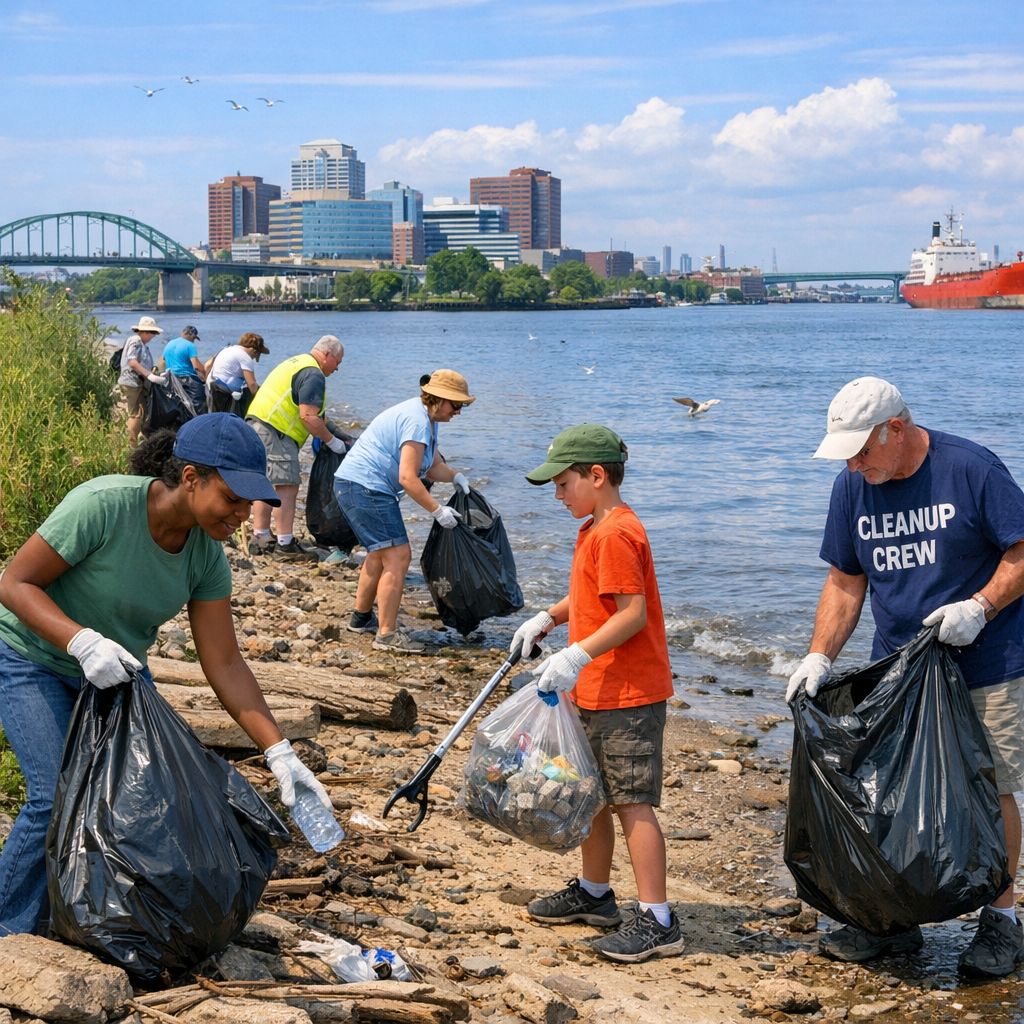
Community involvement plays a crucial role in Wilmington’s environmental initiatives. Programs such as the Delaware Coastal Cleanup and the Adopt-A-Beach Program encourage residents to participate in preserving the state’s natural resources. Additionally, DNREC’s Open Space Program has been instrumental in conserving land for public use, adding nearly 45,000 acres statewide to date. These efforts not only protect wildlife habitats but also provide recreational opportunities for the community.
Looking Ahead
As Wilmington continues to confront the realities of climate change, ongoing collaboration between government agencies, community organizations, and residents remains essential. By staying informed and engaged, the community can work together to implement effective strategies that promote environmental sustainability and resilience for future generations.