

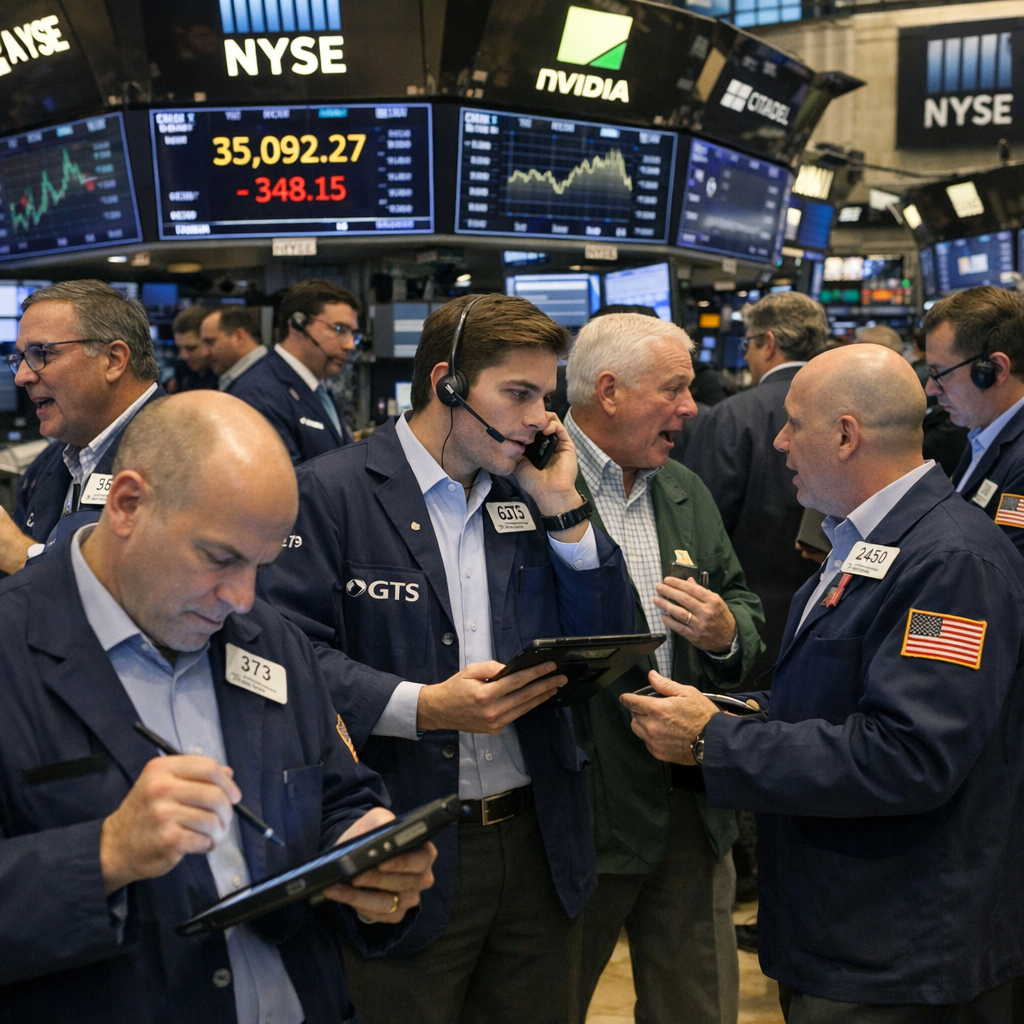
The United States economy is a complex and dynamic system influenced by various factors. Understanding these elements is crucial for comprehending the nation’s economic health and future trajectory.
Trade Policies and International Relations
Trade policies significantly impact the U.S. economy. For instance, recent adjustments in tariffs and trade agreements have affected various industries, from agriculture to technology. These changes can lead to shifts in export and import balances, influencing domestic production and employment rates.
Technological Advancements
Innovation drives economic growth. The rise of artificial intelligence (AI) and automation has transformed industries, leading to increased productivity. However, these advancements also pose challenges, such as potential job displacement and the need for workforce reskilling.
Labor Market Trends
The labor market reflects the economy’s health. Factors like unemployment rates, wage growth, and labor force participation provide insights into economic stability. Recent data indicates a steady job market, with sectors like healthcare and technology experiencing significant growth.
Inflation and Consumer Spending
Inflation rates affect purchasing power and consumer confidence. Moderate inflation is typical in a growing economy, but significant increases can erode savings and reduce spending. Monitoring these trends helps in understanding economic stability.
Federal Policies and Economic Stimulus
Government policies, including fiscal stimulus measures and monetary policies set by the Federal Reserve, play a pivotal role in economic performance. Decisions on interest rates, taxation, and public spending can either stimulate growth or cool down an overheating economy.
In conclusion, the U.S. economy is shaped by a multitude of factors. Staying informed about these elements enables individuals and businesses to make informed decisions and adapt to changing economic landscapes.