
The United States is currently facing a complex economic environment characterized by rising inflation, wage stagnation, and declining consumer confidence. These factors are influencing both national policies and the daily lives of Americans.
Inflation and Energy Prices
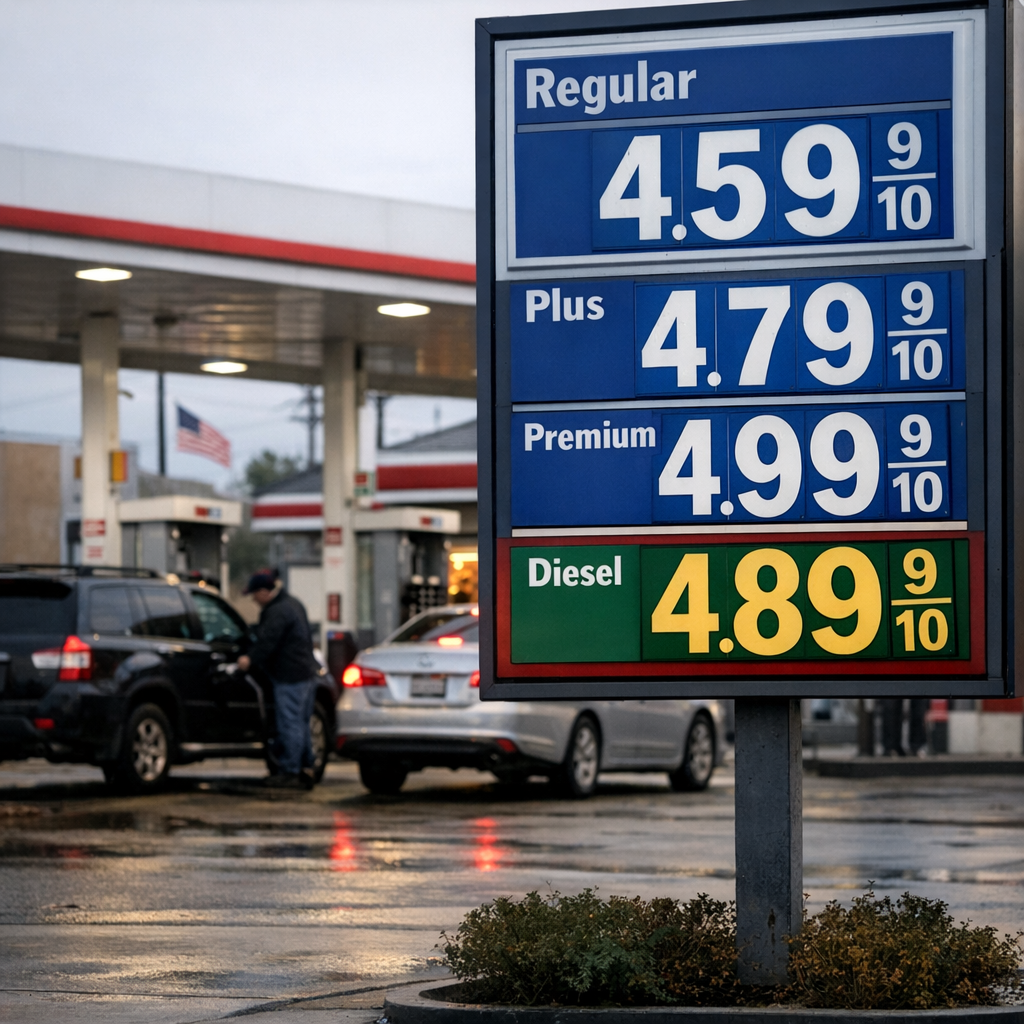
Inflation has surged to 3.8% in April, driven in part by the ongoing conflict in the Middle East, which has pushed the national average price of gasoline above $4.50 per gallon. This increase in energy costs has a cascading effect on the prices of goods and services across the economy. Source
Wage Stagnation
For the first time in three years, wage growth has fallen behind inflation, diminishing the purchasing power of many Americans. This trend is particularly concerning as it affects the ability of households to meet their financial obligations and maintain their standard of living. Source
Consumer Confidence
Consumer sentiment has plummeted to record lows, reflecting widespread pessimism about the economy and personal financial futures. This decline in confidence can lead to reduced consumer spending, further slowing economic growth. Source
Political Implications
The economic challenges are also influencing the political landscape. Recent polls indicate a 70% disapproval rating of the current administration’s handling of the economy. Additionally, Democrats are leading significantly on a generic House ballot, highlighting the potential political risks associated with economic unrest. Source
As these economic issues continue to unfold, it is crucial for policymakers to address the underlying causes and implement strategies to stabilize the economy and restore public confidence.