

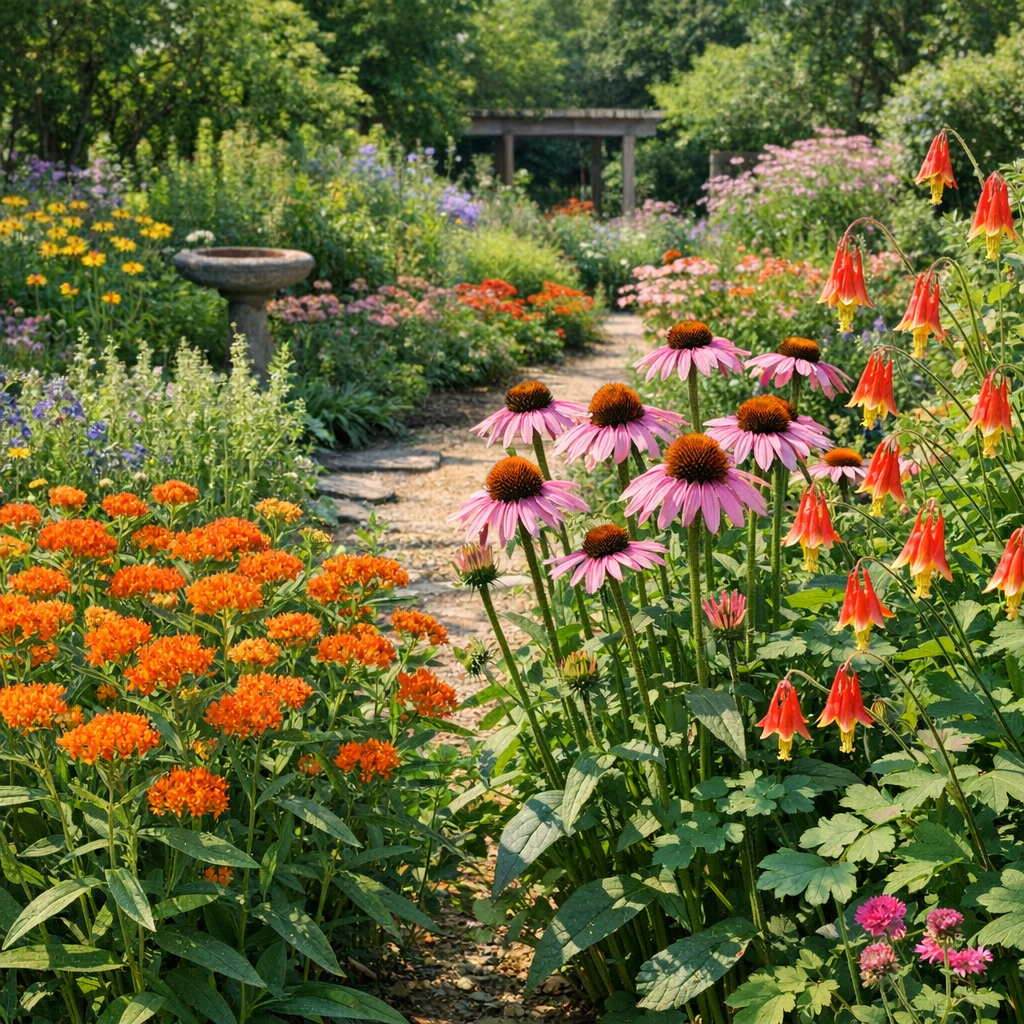
As Wilmington residents, we have the unique opportunity to cultivate gardens that not only beautify our homes but also support the local ecosystem. By incorporating native plants into our landscapes, we can create sustainable gardens that thrive in our region’s climate and soil conditions.
Why Choose Native Plants?
Native plants are species that have evolved in a particular region over thousands of years. In Delaware, these plants are well-adapted to our local environment, requiring less water and fewer pesticides. They also provide essential habitats for native wildlife, including birds, bees, and butterflies. By planting native species, we contribute to preserving biodiversity and promoting a healthier ecosystem. Learn more about native plants for Delaware landscapes.
Top Native Plants for Wilmington Gardens
Perennials
- Butterfly Weed (Asclepias tuberosa): Blooming from June to August, this plant features brilliant orange flowers and serves as a critical host for monarch butterfly larvae.
- Purple Coneflower (Echinacea purpurea): With its vibrant purple petals, this flower attracts native bees and provides seeds for goldfinches.
- Wild Columbine (Aquilegia canadensis): Blooming in early spring, it offers nectar for hummingbirds and thrives in both sun and partial shade.
Shrubs
- Flame Azalea (Rhododendron calendulaceum): Known for its spectacular spring blooms, this shrub adds vibrant color to any garden.
- American Beautyberry (Callicarpa americana): Produces striking purple berries in the fall, providing food for birds.
- Virginia Sweetspire (Itea virginica): Offers fragrant white flowers in spring and stunning red foliage in the fall.
Trees
- White Oak (Quercus alba): A majestic tree supporting over 500 caterpillar species and providing acorns for wildlife.
- Flowering Dogwood (Cornus florida): Features beautiful spring flowers and red berries that attract birds.
- Tulip Poplar (Liriodendron tulipifera): Fast-growing with tulip-shaped flowers, it’s a favorite among pollinators.
Planting Tips
For optimal success, consider planting native species in the spring or fall. During the first year, water weekly during dry spells to establish strong root systems. By the second year, watering is only necessary during drought conditions. By the third year, your native plants should be well-established and require minimal maintenance. Remember, native plants may take a couple of years to fully establish above ground as they develop their root systems, but the wait is well worth it for a low-maintenance, thriving garden. Explore more native plants for Delaware gardens.
Supporting Local Ecosystems
By choosing native plants, you’re not only enhancing the beauty of your garden but also supporting local wildlife and contributing to the preservation of Delaware’s natural heritage. Native plants play a crucial role in maintaining healthy ecosystems by providing food and shelter for various species. Learn more about Delaware’s native plants and their importance.
Embrace the beauty and benefits of native plants in your Wilmington garden. Your efforts will yield a vibrant, sustainable landscape that reflects the natural charm of our region.