

By Ryan Jones
Wilmington’s weather and environment are changing—and while it’s not headline news yet for many, some shifts already touch our daily lives. Here’s what we’re seeing, what’s likely ahead, and what matters most locally.
More frequent heavy rainfall
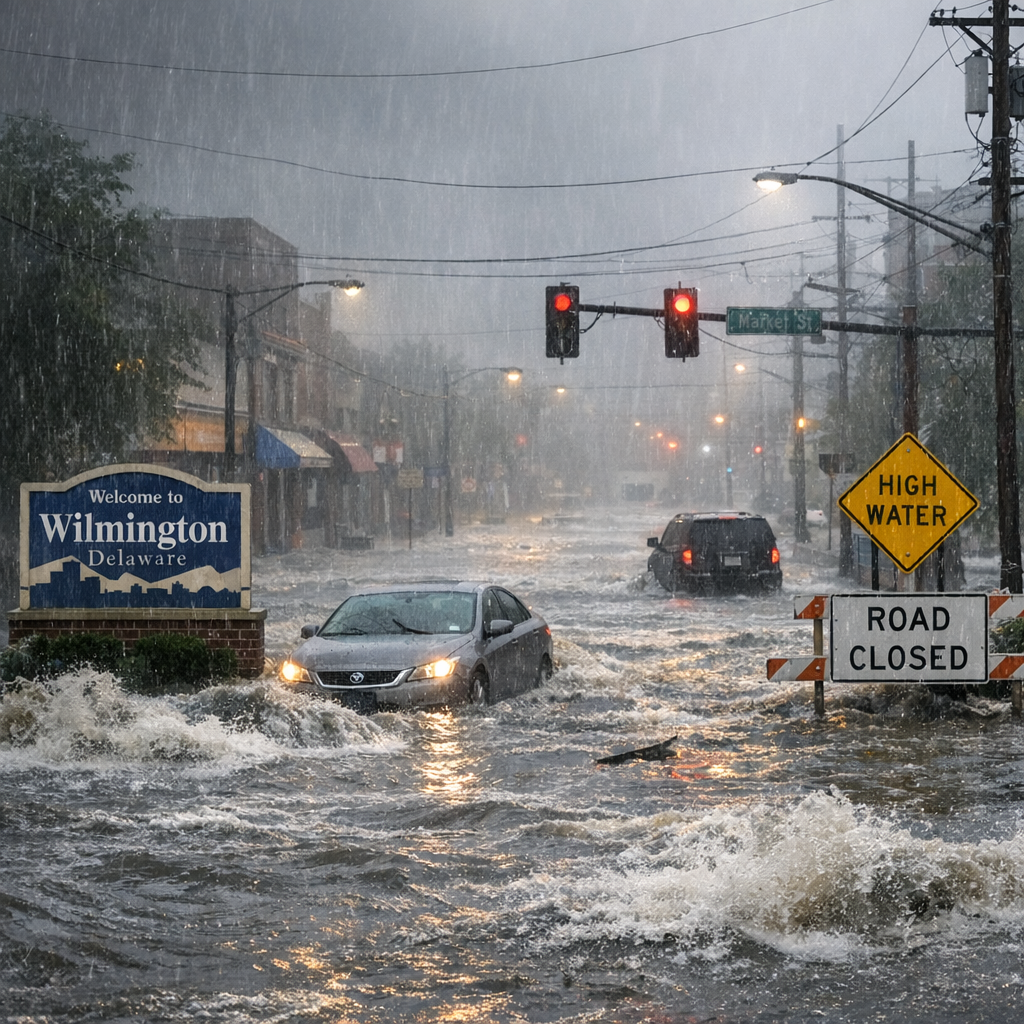
Long-term monitoring at Wilmington–New Castle County Airport shows a clear uptick in both annual precipitation and the number of days with rainfall one inch or more. These patterns suggest more severe downpours and potential strain on local drainage and infrastructure.
Temperature trends and growing risks
Average annual temperatures in Wilmington have crept upward, at roughly 0.2°F per decade. Over recent decades, winters have become milder and heatwaves more common. That shift creates challenges—whether for comfort, for plant life, or for those without good heat protection.
Planting and gardening in uncertain springs
Given more unpredictable late spring frosts, gardeners here can see early-blooming plants get damaged when a cold snap hits. Local resources recommend waiting until after mid-April before planting sensitive crops. It’s a small timing change, but one that can protect both effort and investment.
Water quality: safety with sensory annoyances
There’s good news: Wilmington’s water supply continues to meet federal and state safety standards. Source waters include the Brandywine Creek and the Hoopes Reservoir, treated thoroughly before distribution.
Earthy smells, taste issues
Locally, residents sometimes notice changes in taste or odor from the tap, especially during warm weather when algae increase in source water. While treatment plants remove contaminants that pose health risks, some organic compounds that affect sensory perception can linger.
Persistent drought concerns
Despite some rains this past summer, Delaware remains significantly behind in precipitation over a year-long span—many parts of the state are tens of inches below the long-term average. The deficit shows up in low streamflow and stressed groundwater supplies. Heat amplifies the problem by driving up evaporation.
Pollution and legacy infrastructure
Wilmington, like many older cities, still faces hurdles with stormwater runoff and combined sewer systems. Heavy rainfall can overload old infrastructure, allowing untreated water to reach rivers and streams. Efforts are underway to prioritize watershed protection and upgrade systems, but change will take time.
What you can do locally
- Delay planting tender plants until after the local frost-free date (~mid-April for New Castle County).
- Collect rain in barrels and reduce impervious surfaces to help manage stormwater at home.
- Stay hydrated during hot spells and check in on neighbors without air conditioning.
- If you notice off-tastes or odors in drinking water, refrigerate it overnight—it often helps with sensory issues.
- Support community efforts to improve stormwater systems and protect source waters.
We’ll keep tracking how Wilmington’s environment evolves. When weather, climate, or infrastructure conditions shift, you’ll know what to expect—and how to adapt.