

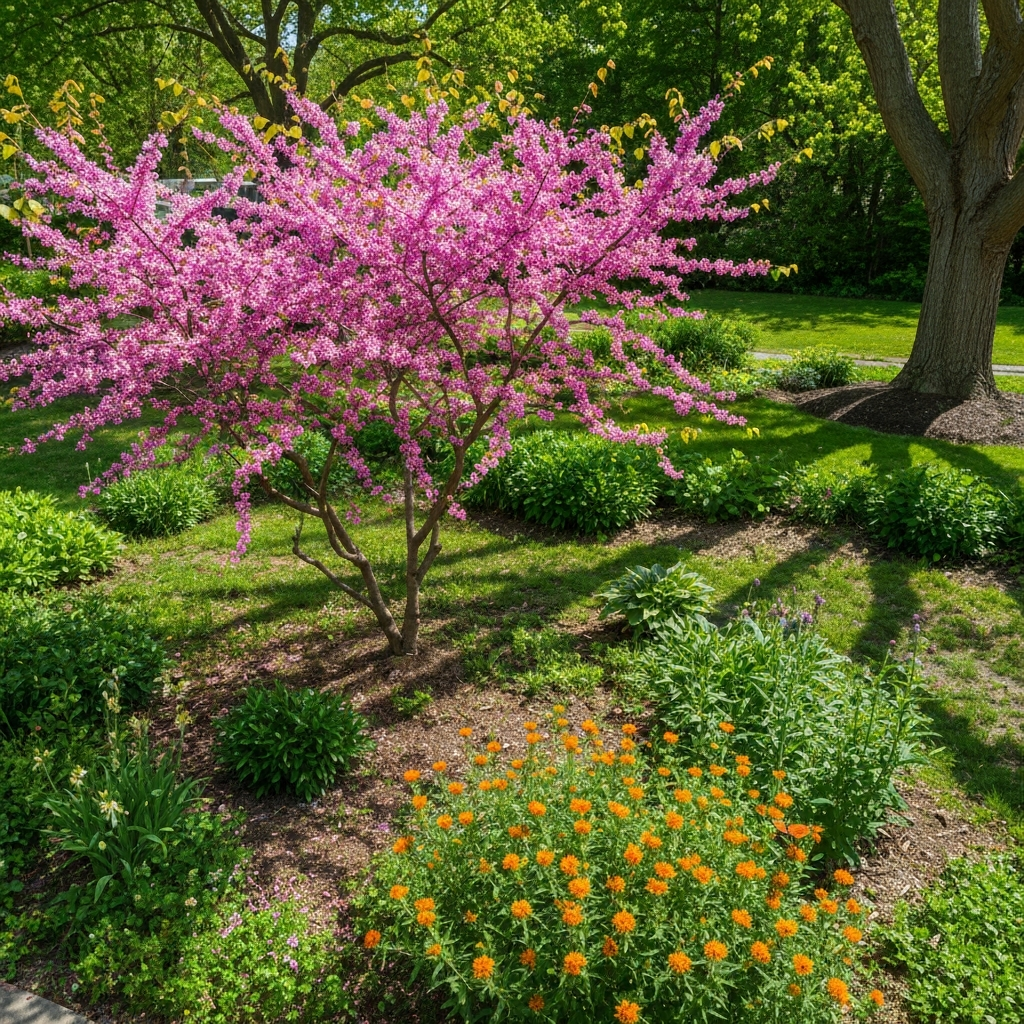
Gardening enthusiasts in Wilmington have a unique opportunity to enhance their landscapes while supporting local ecosystems by incorporating native plants. These species, indigenous to Delaware, are well-adapted to the local climate and soil conditions, offering numerous benefits for both gardeners and the environment.
Why Choose Native Plants?
Native plants have evolved over time to thrive in Delaware’s specific conditions, making them more resilient and requiring less maintenance compared to non-native species. They play a crucial role in supporting local wildlife, providing essential habitats and food sources for pollinators such as bees, butterflies, and birds. Additionally, native plants contribute to soil health and water conservation, as they typically require less irrigation and are more resistant to local pests and diseases.
Top Native Plants for Wilmington Gardens
Here are some native plants that are well-suited for gardens in Wilmington:
Eastern Redbud (Cercis canadensis)
This small deciduous tree is known for its striking pink blossoms in early spring. It provides early nectar for pollinators and adds vibrant color to the landscape.
Butterfly Weed (Asclepias tuberosa)
A perennial wildflower with bright orange flowers that bloom in summer, Butterfly Weed is a magnet for butterflies, especially monarchs, as it serves as a host plant for their larvae.
Switchgrass (Panicum virgatum)
This native grass adds texture to gardens and provides habitat for beneficial insects. It’s also drought-tolerant and can help prevent soil erosion.
Goldenrod (Solidago spp.)
Often misunderstood, Goldenrod is not a major cause of allergies and offers bright yellow flowers in late summer to fall, serving as a vital nectar source for pollinators.
Tips for Incorporating Native Plants
- Assess Your Site: Understand the sunlight, soil type, and moisture levels in your garden to select appropriate native species.
- Start Small: Begin with a few native plants and gradually expand as you become more comfortable with their care.
- Group Plants: Planting in clusters can create a more natural look and provide better support for wildlife.
- Avoid Pesticides: Native plants are typically more resistant to pests, reducing the need for chemical interventions.
By integrating native plants into your garden, you contribute to the preservation of Delaware’s natural heritage and create a sustainable, low-maintenance landscape that benefits both you and the local ecosystem.
For more information on native plants suitable for Delaware gardens, visit the University of Delaware’s Cooperative Extension resources.